Shader Gallery
A collection of shader art and visual effects created for Noctuelles projects — exploring light, surface, and motion through real-time rendering techniques.
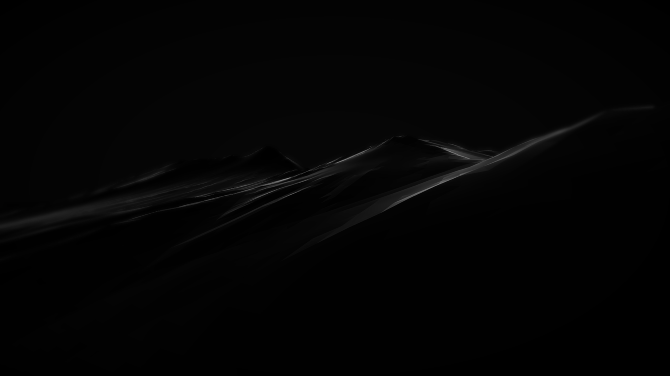
Ridge Displacement
Procedural height-field shader generating layered ridge formations with subtle parallax depth.
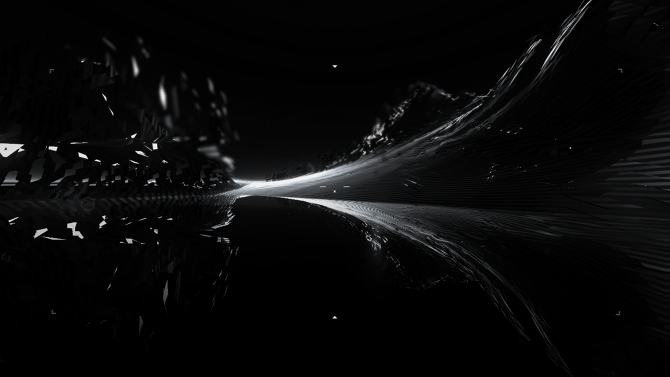
Flow Fields
Dynamic vector-field distortion mapped across a reflective plane, producing drifting luminous ribbons.
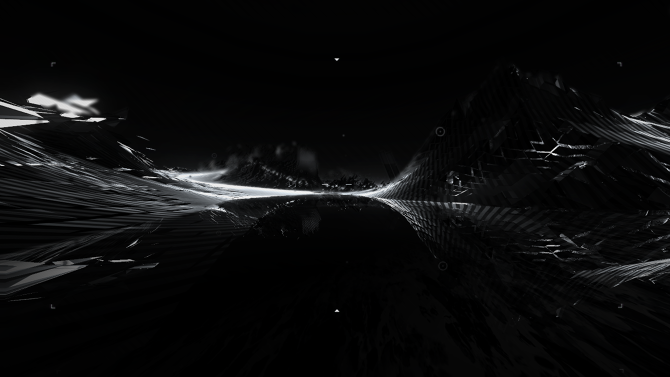
Dune Reflector
Wavy terrain synthesis with specular highlights reacting to a virtual light source in real time.
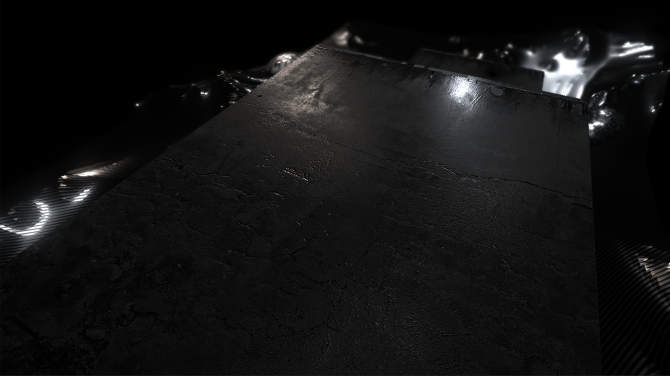
Wet Surface
Gloss-mapped material simulation with anisotropic highlights across an irregular dark substrate.
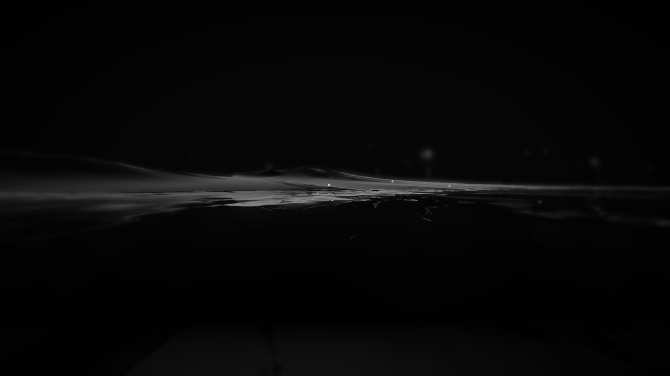
Ripple Scatter
Concentric wave interference combined with point-light scattering across a dark fluid plane.
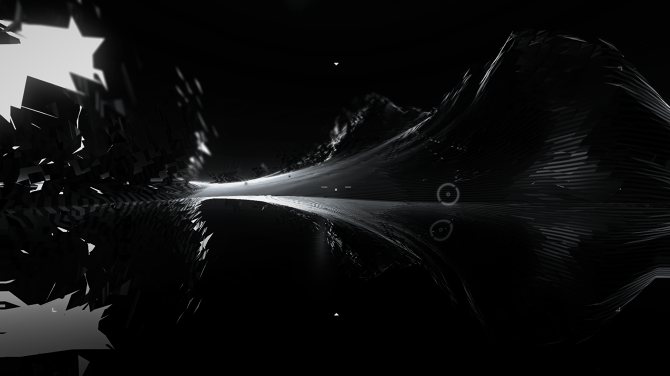
Shard Glow
Fractured geometry with emissive edge detection — sharp crystalline forms against deep black.
Real-Time Visual Experiments
These shaders were developed as part of the Noctuelles creative portfolio, exploring GPU-driven rendering techniques for atmospheric environments, material studies, and abstract motion. Each piece runs in real time and reflects an ongoing interest in the intersection of code and visual art.
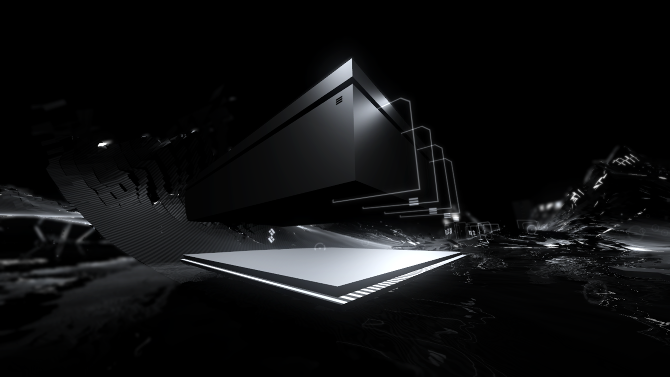
The shader gallery sits at the intersection of memory and light, where procedural techniques translate the emotional weight of Noctuelles' interactive fiction into visible motion. Each piece draws from the same thematic vocabulary that runs through the broader project — the burning tree, the raven's flight, the desert roads at dusk — reimagined as flowing fields of color and distortion. What emerges is not decoration but documentation: a visual diary of how night renders itself across different surfaces, from wet asphalt to rippled dunes. The gallery becomes a quiet companion to the written narratives, offering a parallel language for the same stories of sacrifice, shame, and fragile hope that the fiction explores through words.
Working with real-time rendering tools allows these effects to remain alive rather than frozen. The ridge displacement studies echo the layered terrain of the city's outskirts, while the flow-field experiments suggest the drift of memory across a reflective plane — luminous ribbons that shift and dissolve like thoughts half-remembered at dawn. The dune reflector piece captures the way winter light breaks across sand, and the wet-surface simulations mirror the slick streets after rain, where the world doubles and blurs. Together, these shaders form a toolkit for atmosphere, giving the interactive projects a tactile sense of place that words alone cannot fully carry.
For those exploring the gallery, the work invites a slower kind of looking. Rather than demanding immediate comprehension, the pieces reward patience — the way a shader's subtle parallax deepens as you hold your gaze, or how a gloss-mapped surface catches a virtual light source from an unexpected angle. This is the same patience the fiction asks of its readers, the willingness to sit with something difficult and let it unfold. The gallery ultimately functions as a bridge between the technical and the poetic, proving that procedural generation and emotional storytelling are not opposing forces but natural collaborators in building worlds that feel both strange and intimately familiar.