Hunting Anubis
A single/multiplayer combat flight simulator focused on near-future drone warfare. Dogfight enemies that are fully autonomous or remotely manned.
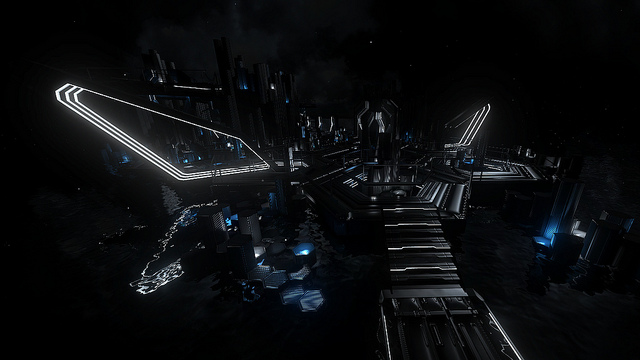
About the Game
Hunting Anubis places you in the cockpit of near-future combat drones, blending tactical decision-making with high-speed aerial dogfighting. Engage opponents that operate with full autonomy or under remote human control — every encounter demands split-second judgment and precise flying.
The game entered a closed Beta period, with monthly builds introducing new aircraft classes, weapons, and performance improvements. A public release was originally scheduled for Q2 2015.
Flight Controls
| Key | Action |
|---|---|
| W / S | Throttle up / down |
| A / D | Roll left / right |
| Mouse | Turn / aim |
Hunting Anubis is a combat flight experience built around the tension between human instinct and machine precision. Players step into the cockpit of near-future drones, where every maneuver is a negotiation between what the pilot wants and what the aircraft can do. The game draws its name from the ancient guardian of thresholds, and that sensibility runs through the design — you are always crossing a line, always deciding whether to push forward or hold back. Dogfights unfold at speeds that blur perception, forcing a kind of quiet clarity that only emerges under pressure.
The single-player and multiplayer modes share the same core philosophy: opponents are never predictable. Whether you are facing an AI-driven aircraft operating with full autonomy or a remote human pilot with their own habits and tells, each engagement becomes a study in behavior. The developers have built a combat model that rewards patience as much as aggression, encouraging players to read the sky rather than simply react to it. It is a game about anticipation, about learning to see the shape of a move before it happens.
Development has moved steadily through a closed Beta period, with monthly builds introducing new systems and refinements. The team treats the flight model as a living thing, constantly adjusting the feel of each aircraft based on player feedback and internal testing. The result is a simulation that sits somewhere between arcade accessibility and serious flight mechanics — approachable enough to pick up quickly, deep enough to reward hours of practice. The devlog chronicles this process openly, documenting both the triumphs and the hard lessons.
The visual language of the game leans into the contrast between sterile military technology and the messy reality of combat. Cockpit interfaces are clean and utilitarian, while the world outside the canopy is filled with weather, terrain, and the unpredictable movement of enemy aircraft. The design team has paid close attention to the emotional weight of flight — the way a distant contact on the radar feels different from the same aircraft filling your canopy at close range. It is a game that understands how atmosphere shapes decision-making.
At its heart, Hunting Anubis is about the relationship between the pilot and the machine they command. The game asks what it means to fight from a distance, to act through a drone that is both an extension of the self and something entirely separate. There is a quiet introspection beneath the surface of the dogfighting — a meditation on responsibility, on the distance between a decision and its consequence. The project continues to grow with each build, and the community following its progress has become part of the story itself.
Key Features
Drone Warfare
Near-future setting with autonomous and remotely piloted combat aircraft.
Multiplayer
Single-player and multiplayer modes for tactical dogfighting against human or AI opponents.
Expanding Arsenal
Beta builds introduced the Interceptor Class, Heavy and Light Missile Launchers, and the Laser Assault System.
Follow Development
Beta v39 brought the Interceptor Class, smarter AI, and major performance gains. Earlier builds added new maps, shared radar, and a 40mm cannon. Track the latest updates on the devlog.
View Devlog